
Charlotte’s #1 Commercial Roof Replacement
A well-maintained roof in the Charlotte area is the unsung hero of any commercial building, safeguarding assets, ensuring operational continuity, and contributing to overall energy efficiency. However, like all components of a structure, commercial roofs have a finite lifespan. When the time comes for replacement, it’s a significant investment that demands careful consideration and informed decision-making. Ignoring a deteriorating roof can lead to costly water damage, structural issues, and even business disruptions.
Types of Commercial Roofing Systems
The commercial roofing landscape throughout Charlotte offers a diverse array of systems, each with its unique characteristics, advantages, and limitations.
Built-Up Roofing (BUR)
BUR, also known as tar and gravel roofing, is a traditional system consisting of multiple layers of asphalt-saturated felt alternated with layers of bitumen and topped with gravel or a mineral surface. It’s known for its durability and resistance to weather elements. This type of roof is common in many strip malls throughout Charlotte.
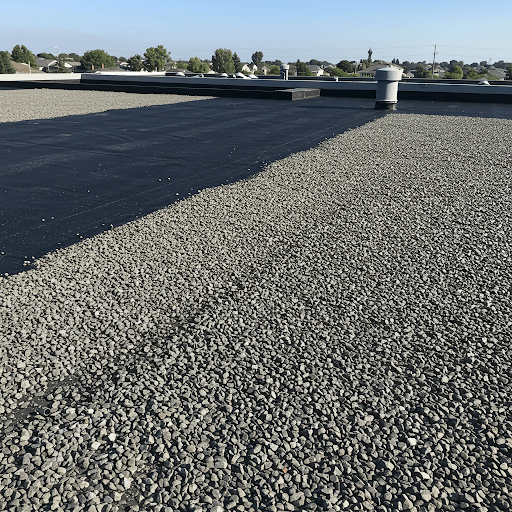
However, BUR installation can be labor-intensive, and its weight may be a concern for certain structures.
Modified Bitumen Roofing
Modified bitumen is an asphalt-based roofing system enhanced with polymers, such as APP (atactic polypropylene) or SBS (styrene-butadiene-styrene), to improve flexibility and weather resistance.
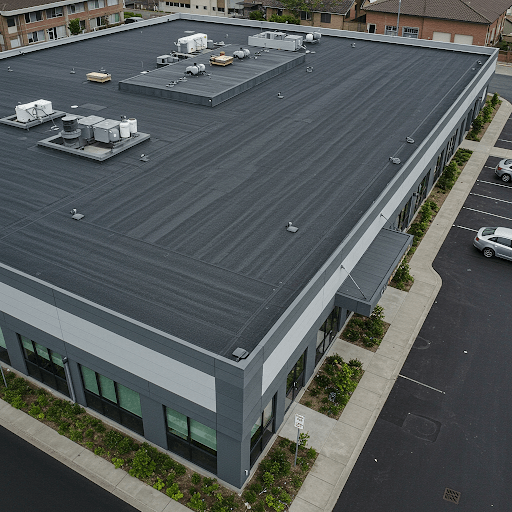
It’s often installed in single-ply or multi-ply applications and is suitable for low-slope or flat roofs. Modified bitumen offers good durability and flexibility, but its installation requires skilled professionals.
Single-Ply Membrane Roofing
Single-ply membranes are flexible sheets of synthetic rubber or thermoplastic materials installed in a single layer.
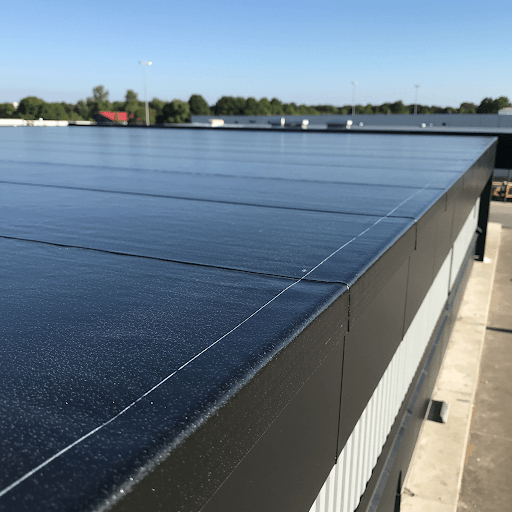
They are popular for their ease of installation, energy efficiency, and resistance to UV radiation and chemicals.
- TPO (Thermoplastic Olefin): TPO is a popular choice for its energy efficiency, durability, and resistance to UV rays and chemicals. It’s often white, which reflects sunlight and helps reduce cooling costs.
- EPDM (Ethylene Propylene Diene Monomer): EPDM, also known as rubber roofing, is a durable and flexible material known for its resistance to weathering and temperature fluctuations. It’s often black, which can increase heat absorption.
- PVC (Polyvinyl Chloride): PVC is a thermoplastic membrane known for its chemical resistance, durability, and fire resistance. It’s often used in environments with exposure to harsh chemicals.
Metal Roofing
Metal roofing systems, typically made of steel or aluminum, are known for their longevity, durability, and energy efficiency. They are suitable for various roof slopes and offer a wide range of aesthetic options. Metal roofs can withstand harsh weather conditions, but their initial cost can be higher.
Green Roofing Systems
Green roofs, also known as vegetative roofs, are designed to incorporate vegetation into the roofing system. They offer numerous environmental benefits, including reduced stormwater runoff, improved air quality, and energy efficiency. Green roofs require specialized installation and maintenance. Although this isn’t very popular in Charlotte, you are starting to see these treatments in Ashville, NC.
The Roof Replacement Process
Replacing a commercial roof is a complex undertaking that requires careful planning and execution.
Initial Inspection and Assessment
A thorough inspection by a qualified roofing professional is crucial to assess the roof’s condition, identify potential issues, and determine the appropriate replacement strategy. This inspection should include an evaluation of the existing roofing system, structural integrity, drainage, and ventilation.
Choosing the Right Roofing Material
Selecting the appropriate roofing material is essential for ensuring the longevity and performance of the new roof. Factors to consider include the roof’s slope, climate, building occupancy, budget, and energy efficiency requirements.
Planning and Preparation
Proper planning and preparation are critical for a smooth and efficient roof replacement. This includes scheduling the work, obtaining necessary permits, coordinating material delivery, and ensuring safety measures are in place.
Removal of Old Roofing
The removal of the old roofing system should be performed carefully to avoid damage to the building structure. This may involve stripping the existing layers, disposing of debris, and preparing the substrate for the new roofing.
Installation of New Roofing
The installation of the new roofing system should be performed by experienced professionals according to the manufacturer’s specifications and industry best practices. This includes proper flashing, sealing, and fastening to ensure a watertight and durable roof.
Final Inspection and Maintenance Tips
A final inspection is essential to ensure the new roof is installed correctly and meets all quality standards. Regular maintenance, including inspections, cleaning, and repairs, will help prolong the roof’s lifespan and prevent costly problems.
Frequently Asked Questions (FAQs)
How often should commercial roofs be replaced?
The lifespan of a commercial roof varies depending on the roofing material, climate, and maintenance. Generally, BUR roofs last 15-20 years, modified bitumen roofs 10-20 years, single-ply membranes 20-30 years, and metal roofs 40-70 years.
What factors influence the cost of roof replacement?
The cost of roof replacement depends on several factors, including the roof’s size, complexity, roofing material, labor costs, and disposal fees.
How can I determine if my roof needs replacement?
Signs that your roof may need replacement include leaks, damaged or missing shingles, excessive granule loss, sagging or ponding water, and visible signs of deterioration.
What are the benefits of a new commercial roof?
A new commercial roof offers numerous benefits, including improved energy efficiency, enhanced weather protection, increased property value, and reduced maintenance costs.
How long does the roof replacement process take?
The duration of the roof replacement process depends on the roof’s size, complexity, and weather conditions. It can range from a few days to several weeks.
Commercial roof replacement is a significant investment that requires careful planning and execution. Understanding the different roofing systems, the replacement process, and addressing common concerns will help you make informed decisions and ensure a successful project. Engaging experienced and reputable roofing professionals is crucial for a durable, reliable, and long-lasting roof. By proactively assessing your roofing needs and taking timely action, you can protect your commercial building and its valuable assets for years to come.
FAQs about Commercial Roof Repairs & Replacements
It is advisable to inspect your commercial roof at least annually and following any severe weather events to ensure its integrity. Regular inspections help detect potential issues early, safeguarding your investment.
If you notice curling shingles, leaks, or your roof is over 20 years old, these are clear indications that it may need replacement. Addressing these signs promptly can help avoid further damage to your property.
Roof coatings effectively extend the lifespan of your roof while enhancing energy efficiency and providing protection against harmful UV rays and ponding water. This makes them a valuable investment for maintaining your roofing system.
To prevent leaks in your commercial roof, conduct regular inspections and routine maintenance while promptly addressing minor issues. This proactive approach will significantly reduce the risk of leaks and extend the roof’s lifespan.
