
Need a Free Roof Inspection or Estimate?
Wondering about the importance of roof inspections in Charlotte and greater NC? Regular roof inspections can help identify issues caused by storm damage and other weather conditions. Read on to learn more about roof inspections in Charlotte, outlining why we think they are essential, what to expect, and how to leverage these inspections to maintain your roof’s health. Whether you want to fix the issues yourself or hire a professional, we’ve got your back.
Not All Roof Inspections in Charlotte Are The Same
Because of the crazy weather in Charlotte, from wind storms to snow storms – regular roof inspections are essential to identify potential issues early, preventing costly repairs and ensuring the roof’s longevity.
Hiring a certified inspectors provides accurate assessments of roof conditions, allowing you to address minor repairs promptly.
The Importance of Regular Roof Inspections in Charlotte
In Charlotte, regular roof inspections are vital due to constant exposure to the elements and varying weather conditions that exist throughout the year. Annual checks (or even checks after major storms) help identify issues early, preventing expensive repairs. Investing in these inspections ensures the protection and longevity of roofing systems, providing peace of mind by uncovering hidden structural damages.
Routine checks are essential for the long-term health and stability of roofs. They help avoid unexpected expenses and keep roofs in optimal condition.
The Benefits of Using Someone Certified To Inspect Your Roof
Hiring a certified roof inspector, or service such as a roofing contractor with deep roofing experience, provides benefits beyond a simple glance at your roof. Certified inspectors offer accurate assessments crucial for evaluating your roof’s condition. They’ve been trained and usually have many years of experience looking at thousands of roofs. They can tell you how long your roof will likely last vs if you need a repair or a full replacement. Experienced roof inspectors not only have the historical knowledge of being able to analyze a roof properly, but they also have propper tools and insurance, since being on a roof can sometimes be risky business.
Common Roof Issues in Charlotte
Charlotte’s climate presents challenges to roofs, necessitating vigilance about common issues. Hail damage frequently leads to leaks and structural concerns. Wind-related damage, like lifted shingles, is often detected during inspections. Unaddressed, these issues can escalate, compromising roof integrity.
Typical issues include missing shingles, leaks, and storm damage. Proactive scheduling of regular inspections helps maintain roof integrity and avoid unexpected repairs.
Choosing the Right Roof Inspector in Charlotte
When it comes to choosing the right roofer in Charlotte, there are several factors to consider. First and foremost, look for a roofer with over a decade of experience in the industry. This ensures that they have the necessary expertise and knowledge to handle any roofing issue that may arise. Additionally, make sure the roofer is a certified roof inspector, to ensure that they can provide a detailed report and accurate assessment of your roofing system.
It’s also important to check if the roofer offers free inspections and free estimates for repairs. This will give you a clear understanding of the work that needs to be done and the cost involved. Furthermore, look for a roofer that provides quality work and has a reputation for being reliable and trustworthy. Reading reviews and asking for references can help you gauge the roofer’s reliability and the quality of their services.
Choosing the right roofer is crucial for maintaining the integrity of your roof and ensuring that any repairs or replacements are done correctly. By selecting a roofer with the right qualifications and a solid reputation, you can have peace of mind knowing that your roofing needs are in good hands.
What to Expect During a Roof Inspection
A roof inspection involves a thorough examination of the roofing system. Regular checks identify damage like worn shingles, new roof-ing materials, and structural weaknesses before they escalate. Biannual inspections pinpoint minor issues, preventing significant problems and identifying vulnerable areas to avert extensive damage later.
Inspectors look for hail or wind damage, corrosion, missing or damaged shingles, improper sealing, energy loss, poor attic conditions, water leaks, and staining. Knowing what to expect helps homeowners prepare and ensures thorough roof evaluation.
Key Areas Assessed
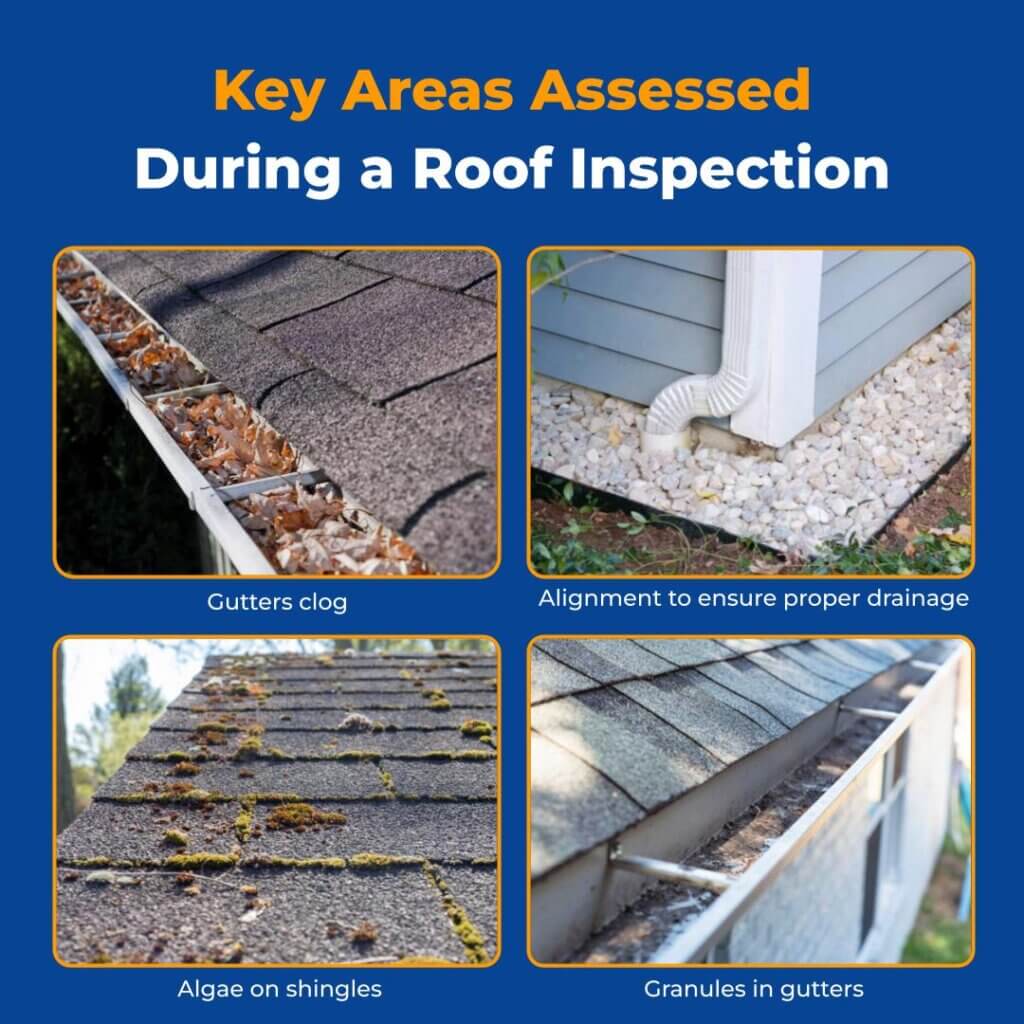 Certified inspectors focus on key areas to detect potential issues. They examine shingles, drainage systems, and flashing for leaks or material wear, and scrutinize critical components like pipe boots, metal flashings, chimney masonry, valleys, roof decking, and structural integrity. These elements are crucial for maintaining roof integrity and preventing water damage.
Gutters are checked for clogs and alignment to ensure proper drainage and prevent water damage. Inspectors also look for algae on shingles, indicating potential long-term damage, and granules in gutters, suggesting that asphalt shingles are deteriorating.
Gutters are checked for:
- clogs
- alignment to ensure proper drainage
- algae on shingles, indicating potential long-term damage
- granules in gutters, suggesting that asphalt shingles are deteriorating
Certified inspectors offer thorough evaluations that uncover hidden issues, ensuring compliance with roofing standards and regulations.
Detailed Report and Recommendations
Post-inspection, homeowners receive a detailed report reviewing their roof’s current state and offering insights into future needs. This evaluation is crucial for identifying potential issues and making informed decisions about necessary repairs, replacements, or a maintenance plan.
The inspection report usually includes an assessment of the roof’s remaining service life, specific areas of concern, and tailored recommendations. Not all roofs need replacement; some may only require servicing or repair.
After reviewing the inspection findings, homeowners should discuss priorities and determine various solutions based on their needs and budget, ensuring the roof remains in optimal condition and provides long-term protection.
How Often Should You Inspect Your Roof?
Regular roof inspections are crucial to maintaining the integrity of your roofing system. It’s recommended to inspect your roof at least once or twice a year, depending on the age and condition of your roof. If you live in an area prone to severe weather conditions, such as hail or high winds, it’s recommended to inspect your roof more frequently.
Additionally, if you notice any signs of damage or wear and tear, such as missing shingles or leaks, it’s essential to schedule a roof inspection as soon as possible. A certified roof inspector can assess the condition of your roof and provide a detailed report outlining any necessary repairs or maintenance. Regular inspections help catch minor issues before they escalate into major problems, saving you time and money in the long run.
By staying proactive with your roof inspections, you can ensure that your roofing system remains in optimal condition and continues to protect your home effectively.
Making the Most of Your Free Roof Inspection
To maximize a free roof inspection, homeowners should prepare a list of specific concerns and questions. This ensures all relevant issues are thoroughly addressed during the inspection, facilitating a comprehensive evaluation of the roofing system.
Being present during the inspection allows homeowners to discuss findings directly with the inspector, gaining valuable insights and tailored recommendations. Active engagement in the inspection process maximizes the benefits of the free service for customers and ensures well-maintained roofs.
DIY Roof Inspection Tips
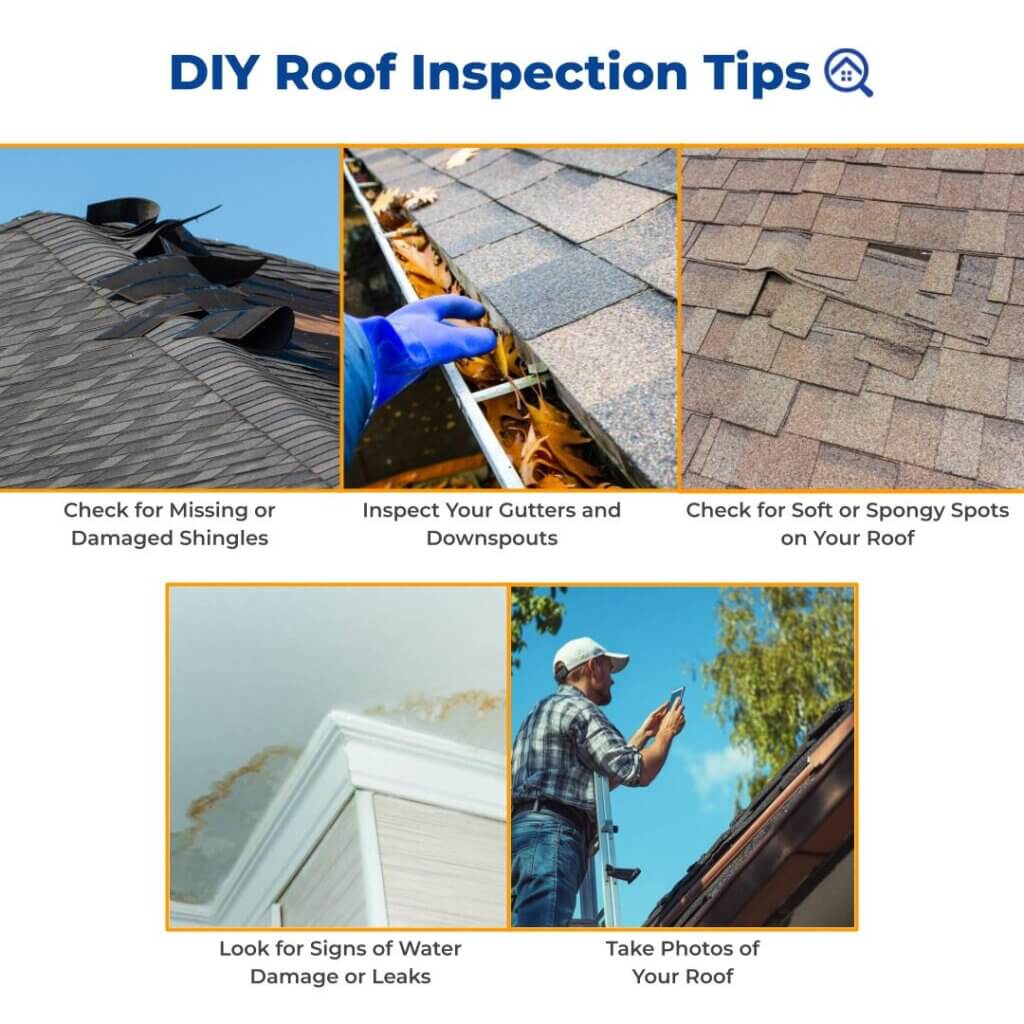 While it’s always recommended to hire a certified roof inspector to assess your roofing system, there are some DIY roof inspection tips that you can follow to identify potential issues. Here are a few:
- Check for Missing or Damaged Shingles: Look for signs of wear and tear around chimneys, vents, and skylights. Missing or damaged shingles can lead to leaks and further damage if not addressed promptly.
- Inspect Your Gutters and Downspouts: Ensure they are clear and functioning properly. Clogged gutters can cause water to back up and damage your roof.
- Look for Signs of Water Damage or Leaks: Check around windows and doors for any signs of water intrusion. Water stains or damp spots can indicate a leak in your roofing system.
- Check for Soft or Spongy Spots on Your Roof: These can indicate damage or rot. Walking on your roof can help you identify these areas, but be cautious and prioritize safety.
- Take Photos of Your Roof: Document its condition from different angles. This can help you track changes over time and provide valuable information to a professional inspector.
Remember, while these DIY tips can help identify potential issues, they are no substitute for a professional roof inspection. A certified roof inspector can provide a detailed and accurate assessment of your roofing system and recommend any necessary repairs or maintenance. Regular professional inspections, combined with your own periodic checks, will help ensure your roof remains in top condition.
Preventative Measures to Avoid Future Damage
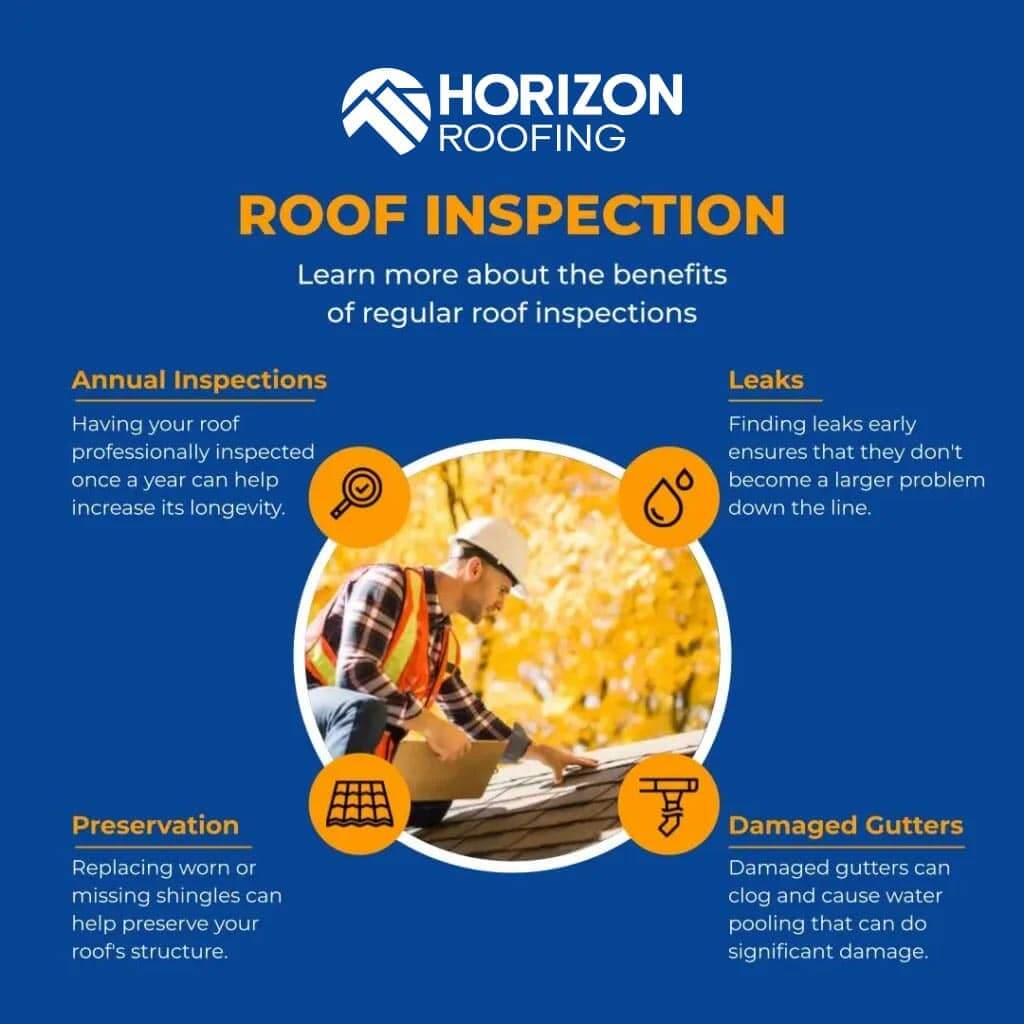
Preventative maintenance is key to avoiding future roof damage and saving money long-term. Regular assessments help identify minor issues before they escalate, and early diagnosis with prompt repairs can prevent extensive, costly damage.
Keeping gutters clear of debris and trimming overhanging tree branches are crucial for maintaining roof integrity.
Seasonal Roof Maintenance Tips
Seasonal maintenance is essential for preserving roof integrity year-round. For instance, removing snow and ice buildup in winter prevents ice dams and leaks, while trimming tree branches before storm season helps prevent shingle damage and reduces debris accumulation.
In the fall, clearing organic debris from the roof prevents moisture retention that deteriorates shingles. These maintenance practices collectively maintain the property and roof integrity and longevity, especially during adverse weather.
A roof inspection report typically includes an analysis of weaknesses and suggested repairs.
Importance of Addressing Small Repairs
Promptly addressing small repairs is crucial for maintaining your roof’s overall health. Annual inspections keep the roof in good condition and maintain warranty validity on roofing materials, providing a detailed overview of necessary maintenance or repairs. Timely action on minor issues prevents them from escalating into larger, more expensive problems.
Ignoring small issues can lead to significant damage requiring costly roof replacement. For instance, an unchecked minor leak can cause extensive water damage to the roof structure, siding and home’s interior. Addressing small repairs immediately is a cost-effective strategy to maintain roof integrity and extend its lifespan.
Understanding Roof Replacement Options
Understanding your options is key when considering roof replacement. The lifespan of a typical asphalt shingle roof ranges from 20 to 25 years, indicating when homeowners should consider replacement. Knowing the lifespan of different materials helps homeowners plan for replacements before issues arise.
Local regulations or HOA restrictions can influence the choice of roofing materials, so making an informed decision is crucial.
Signs You Need a New Roof
Certain indicators signal the need for a new roof, especially when the roofing materials show extensive shingle damage, like curling, buckling, or missing shingles. Persistent leaks and visible sagging areas also indicate that the roof might need replacement. Homeowners should pay attention to these signs to determine if replacement is required.
Ignoring these warning signs can lead to severe damage and increased costs long-term. Regular inspections help identify these issues early, allowing homeowners to make informed decisions about repairs or replacement.
Choosing the Right Roofing Material
Choosing the right roofing material significantly impacts your roof’s durability, cost, and maintenance requirements. Different materials offer varying benefits; for instance, metal roofs are known for their longevity and energy efficiency, often lasting for over a decade to 50 years despite higher initial costs. Asphalt shingles are popular for their affordability and variety, with a lifespan ranging from 25 to 50 years depending on external factors.
Selecting durable roofing materials enhances protection against environmental damage and reduces maintenance over time. Some materials, like slate or metal, may require less maintenance despite higher upfront costs, potentially leading to long-term cost savings.
Homeowners should consider these factors when choosing the roofing material that best suits their needs and budget.
Navigating Insurance Claims for Roof Repairs
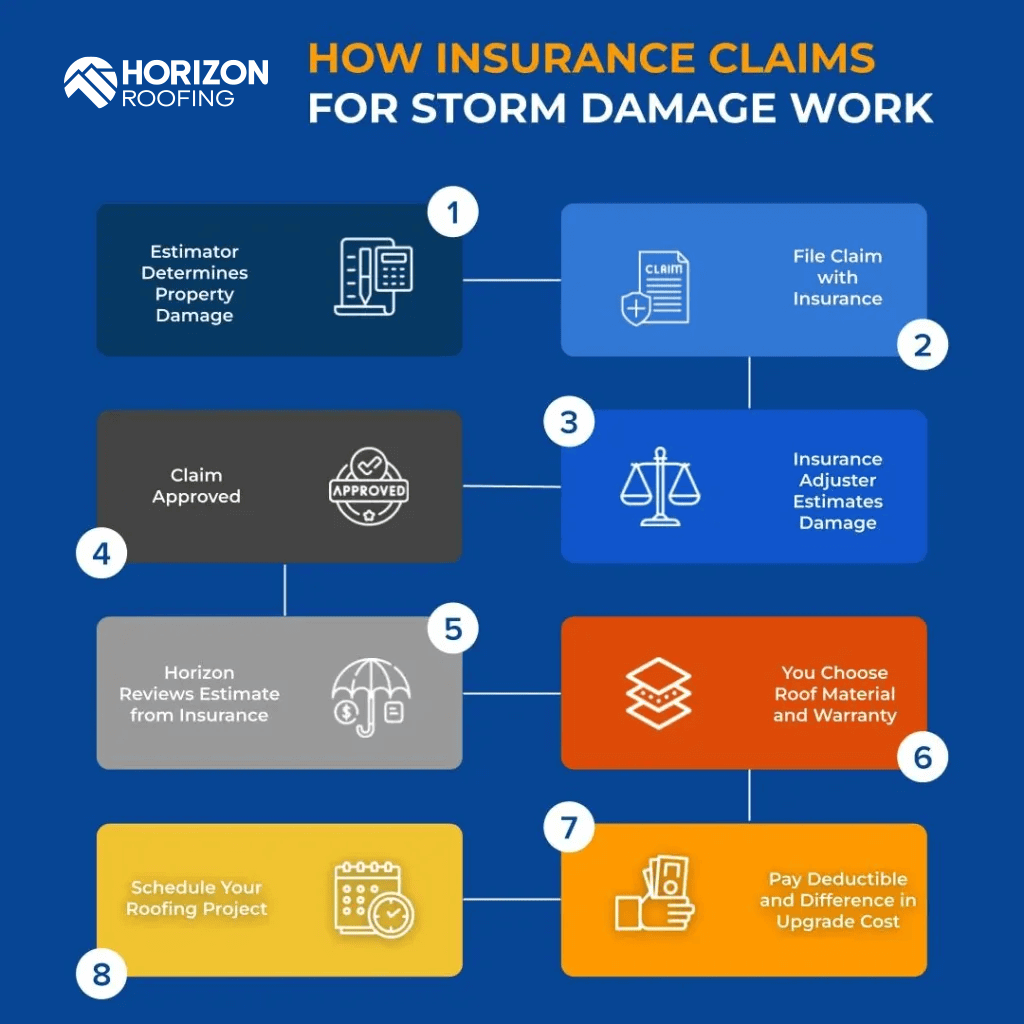 Navigating insurance claims for roof repairs can be daunting. Homeowners should understand the specific types of roof damage their policies cover, such as natural disasters like hail or strong winds, and the role of an insurance adjuster in the claims process. Proper documentation of roof damage, including photos and videos, is crucial for supporting an insurance claim.
Working with Your Insurance Company
Effective collaboration between roofing contractors, insurance companies, and the insurance adjuster is essential for a smooth claims process. Involving a professional roofing contractor ensures all necessary damage documentation is correctly prepared for your claim. Keeping detailed records and taking clear photos of the damage are critical steps to support your insurance company and claim.
If a roof insurance claim is denied, policyholders can file a dispute and provide additional evidence to support their claim. Being proactive and thorough in documentation and communication can significantly improve the chances of a successful claim.
Documenting Damage for Claims
Accurate documentation of roof damage is crucial, significantly influencing insurance claim approval. An insurance adjuster plays a key role in the documentation process, so documenting damage in a format preferred by insurers is essential for a successful claim. Homeowners should be present during the adjuster’s visit to ensure all damages are documented.
Having a trusted roofing contractor present during the insurance adjuster’s inspection can further ensure that all damage is accurately noted and reported. This collaborative team approach helps in securing fair compensation for the repairs needed.
Summary
In summary, regular roof inspections are a vital part of home maintenance for Charlotte homeowners. These inspections help identify and address minor issues before they escalate into significant problems, ensuring the longevity and integrity of the roof. Hiring certified roof inspectors and taking advantage of free roof inspections can provide accurate assessments and peace of mind.
Preventative measures, such as seasonal maintenance and prompt repairs, play a crucial role in avoiding future damage. Understanding when to consider roof replacement and how to navigate insurance claims further equips homeowners to make informed decisions. By staying proactive and informed, homeowners can protect their investment and maintain a safe, durable roofing system.
Frequently Asked Questions
Why are regular roof inspections important?
Regular roof inspections are crucial as they allow for the early detection of minor issues, preventing them from escalating into major problems and ultimately extending the roof’s lifespan. Prioritizing these inspections safeguards your investment in your property.
What are the benefits of hiring a certified roof inspector?
Hiring a certified roof inspector ensures accurate assessments and the early identification of minor issues, ultimately saving homeowners both time and money. It is a prudent investment for maintaining the longevity of your roofing system.
What are common roof issues in Charlotte?
Common roof issues in Charlotte include hail damage and wind-related damage causing lifted or missing shingles. It is essential to regularly inspect your roof to address these concerns promptly.
How can homeowners make the most of a free roof inspection?
To maximize the benefits of a free roof inspection, homeowners should compile a list of specific concerns and questions to ensure that all issues are thoroughly addressed. This proactive approach can lead to a more comprehensive evaluation of the roof’s condition.
What should homeowners do when filing an insurance claim for roof repairs?
To ensure a successful insurance claim for roof repairs, homeowners must document the damage thoroughly with photos and videos, engage a professional roofing contractor, and be present during the insurance adjuster’s assessment. This approach helps guarantee that all damage is accurately recognized and reported.

Need New Roof Financing in Charlotte?
Why not finance your new roof over time? At Horizon Roofing, we’ve partnered with reputable banks that specialize in roof financing within the Charlotte area to offer you financing options with no interest, extended terms and other flexible terms that allow you to pay off your roof over time.
- Flexible payment plans
- Low interest loans
- 0% interest to those who qualigy
- 0 down payment options
- Easy approval process
- Find out in minutes if you qualify
Financing your new roof replacement can increase your home’s value, improve energy efficiency, and enables you to manage expenses by paying off your roof over time. Contact us and we can guide you through how easy the process can be for financing your new roof replacement.
